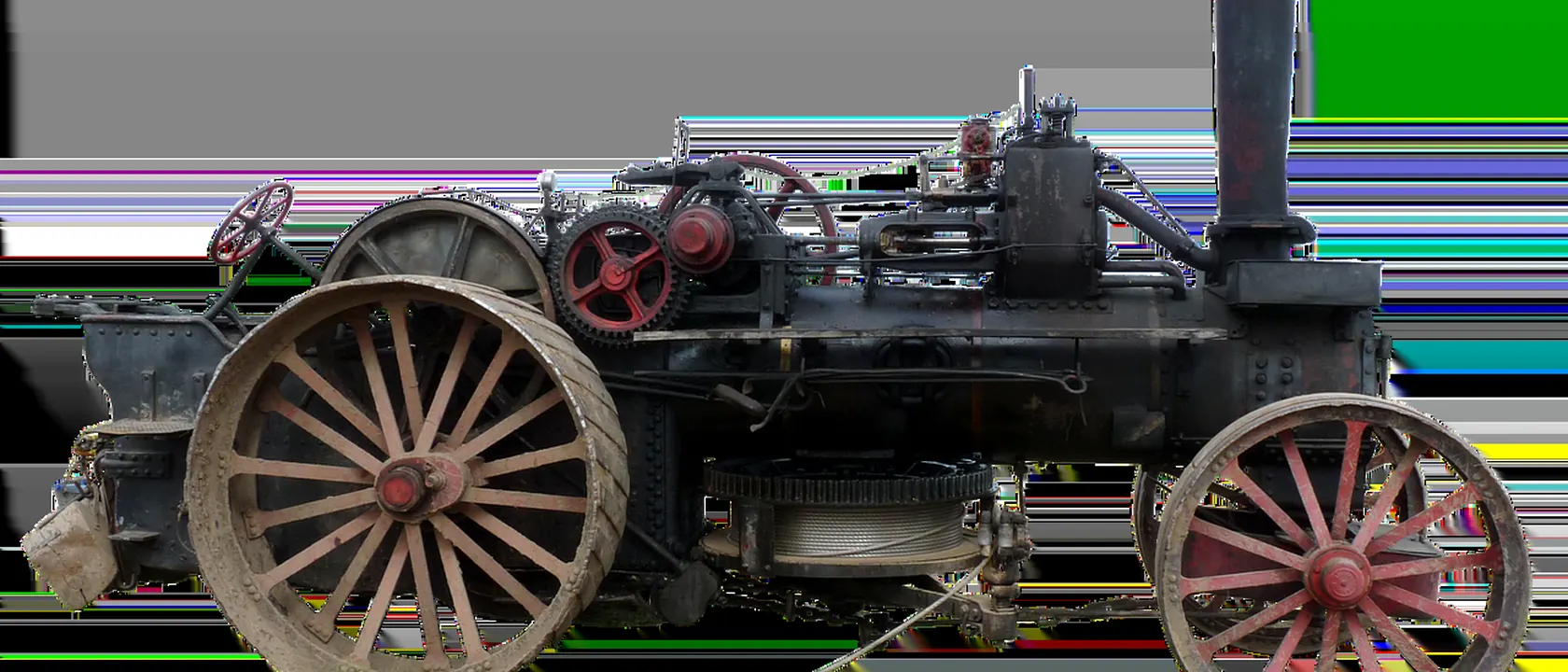
Momentmal · Pixabay Content License
Agricultural Engineers
Apply knowledge of engineering technology and biological science to agricultural problems concerned with power and machinery, electrification, structures, soil and water…
What the job really is
Apply knowledge of engineering technology and biological science to agricultural problems concerned with power and machinery, electrification, structures, soil and water conservation, and processing of agricultural products.
At a glance
- Sector: Architecture & Engineering
- O*NET-SOC code:
17-2021 - O*NET job zone: 4 — considerable preparation
- Work sample tasks on file: 12
- Tools and technologies listed: 12
What you actually do
Work sample tasks recorded for this occupation:
- Prepare reports, sketches, working drawings, specifications, proposals, and budgets for proposed sites or systems.
- Visit sites to observe environmental problems, to consult with contractors, or to monitor construction activities.
- Meet with clients, such as district or regional councils, farmers, and developers, to discuss their needs.
- Discuss plans with clients, contractors, consultants, and other engineers so that they can be evaluated and necessary changes made.
- Test agricultural machinery and equipment to ensure adequate performance.
- Plan and direct construction of rural electric-power distribution systems, and irrigation, drainage, and flood control systems for soil and water conservation.
- Provide advice on water quality and issues related to pollution management, river control, and ground and surface water resources.
- Design structures for crop storage, animal shelter and loading, and animal and crop processing, and supervise their construction.
- Conduct educational programs that provide farmers or farm cooperative members with information that can help them improve agricultural productivity.
- Design sensing, measuring, and recording devices, and other instrumentation used to study plant or animal life.
- Design agricultural machinery components and equipment, using computer-aided design (CAD) technology.
- Design and supervise environmental and land reclamation projects in agriculture and related industries.
Tools and technology
Adobe InDesign, Adobe Photoshop, Autodesk AutoCAD, Dassault Systemes SolidWorks, Microsoft Access, Microsoft Excel, Microsoft Office software, Microsoft Outlook, Microsoft PowerPoint, Microsoft Project, Microsoft SharePoint, Microsoft Word
What employers expect you to already be comfortable with.
Where this job leads
Related occupations — the usual moves up and sideways:
- Soil and Plant Scientists
- Precision Agriculture Technicians
- Industrial Ecologists
- Conservation Scientists
- Environmental Engineers
- Biofuels/Biodiesel Technology and Product Development Managers
- Industrial Engineers
- Farmers, Ranchers, and Other Agricultural Managers
Getting in
O*NET assigns this occupation job zone 4 (considerable preparation). The related occupations above are the realistic routes in and out.
Find openings
Browse the verified job sources directory, or explore more occupations.
Check this against the source
O*NET OnLine: Agricultural Engineers — the authoritative public-domain profile this page is derived from, including the full task list, reported skills and the wage estimates for your region.
Derived and rewritten from the public-domain O*NET database (U.S. Department of Labor / Employment and Training Administration). Figures are observations, not promises — always confirm salary, licensing and visa requirements with the employer and the relevant authority.
Tagged with
More Occupations
View all
Accountants and Auditors
Examine, analyze, and interpret accounting records to prepare financial statements, give advice, or audit and evaluate statements prepared by others. Install or advise on…

Actors
Play parts in stage, television, radio, video, or film productions, or other settings for entertainment, information, or instruction. Interpret serious or comic role by…

Actuaries
Analyze statistical data, such as mortality, accident, sickness, disability, and retirement rates and construct probability tables to forecast risk and liability for payment…