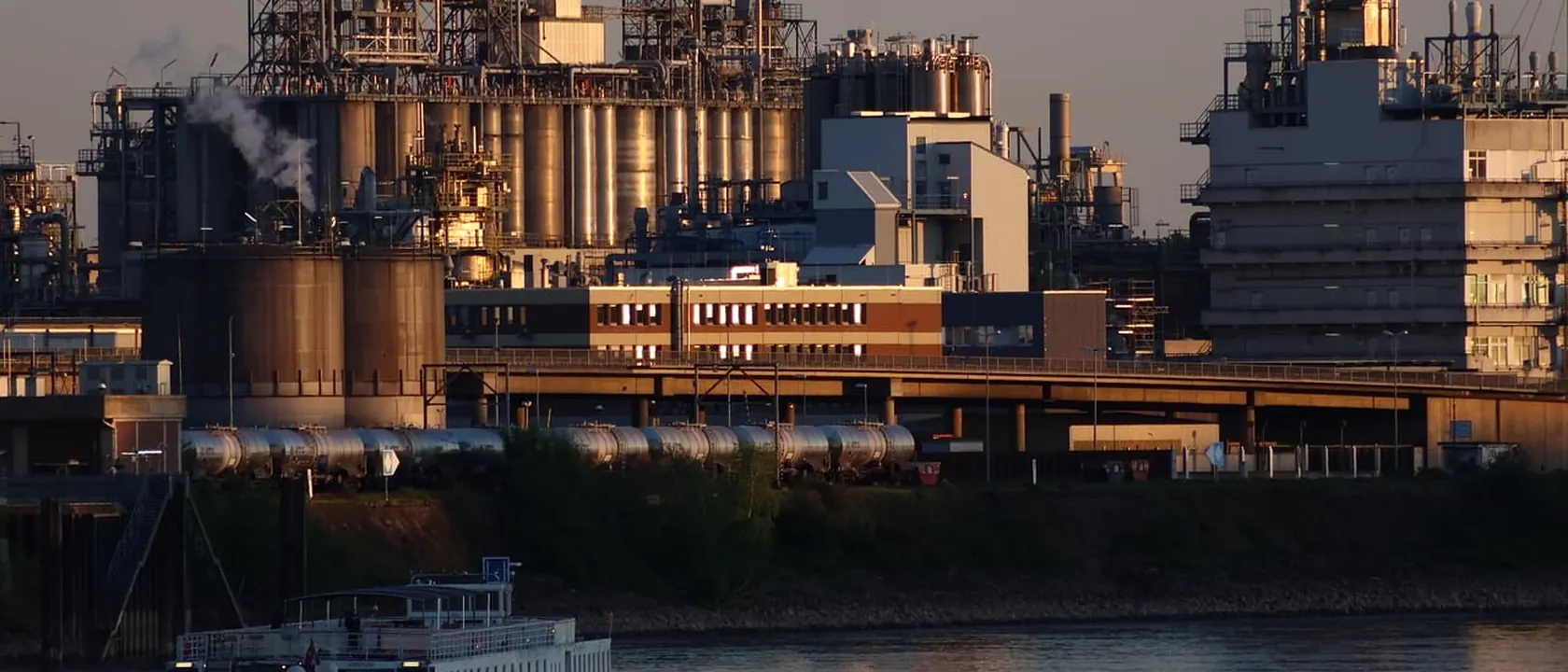
Tho-Ge · Pixabay Content License
Industrial Ecologists
Apply principles and processes of natural ecosystems to develop models for efficient industrial systems. Use knowledge from the physical and social sciences to maximize…
What the job really is
Apply principles and processes of natural ecosystems to develop models for efficient industrial systems. Use knowledge from the physical and social sciences to maximize effective use of natural resources in the production and use of goods and services. Examine societal issues and their relationship with both technical systems and the environment.
At a glance
- Sector: Life, Physical & Social Science
- O*NET-SOC code:
19-2041 - O*NET job zone: 5 — extensive preparation
- Work sample tasks on file: 12
- Tools and technologies listed: 12
What you actually do
Work sample tasks recorded for this occupation:
- Identify environmental impacts caused by products, systems, or projects.
- Identify or develop strategies or methods to minimize the environmental impact of industrial production processes.
- Analyze changes designed to improve the environmental performance of complex systems and avoid unintended negative consequences.
- Conduct environmental sustainability assessments, using material flow analysis (MFA) or substance flow analysis (SFA) techniques.
- Identify sustainable alternatives to industrial or waste-management practices.
- Review research literature to maintain knowledge on topics related to industrial ecology, such as physical science, technology, economy, and public policy.
- Redesign linear, or open-loop, systems into cyclical, or closed-loop, systems so that waste products become inputs for new processes, modeling natural ecosystems.
- Prepare technical and research reports, such as environmental impact reports, and communicate the results to individuals in industry, government, or the general public.
- Examine local, regional, or global use and flow of materials or energy in industrial production processes.
- Monitor the environmental impact of development activities, pollution, or land degradation.
- Build and maintain databases of information about energy alternatives, pollutants, natural environments, industrial processes, and other information related to ecological change.
- Perform analyses to determine how human behavior can affect, and be affected by, changes in the environment.
Tools and technology
Adobe Acrobat, Adobe Illustrator, Adobe Photoshop, Apache Hadoop, Atlassian JIRA, Autodesk AutoCAD, C#, ESRI ArcGIS software, Git, Linux, Microsoft Access, Microsoft Excel
What employers expect you to already be comfortable with.
Where this job leads
Related occupations — the usual moves up and sideways:
- Environmental Scientists and Specialists, Including Health
- Conservation Scientists
- Environmental Restoration Planners
- Water Resource Specialists
- Soil and Plant Scientists
- Environmental Engineers
- Hydrologists
- Climate Change Policy Analysts
Getting in
O*NET assigns this occupation job zone 5 (extensive preparation). The related occupations above are the realistic routes in and out.
Find openings
Browse the verified job sources directory, or explore more occupations.
Check this against the source
O*NET OnLine: Industrial Ecologists — the authoritative public-domain profile this page is derived from, including the full task list, reported skills and the wage estimates for your region.
Derived and rewritten from the public-domain O*NET database (U.S. Department of Labor / Employment and Training Administration). Figures are observations, not promises — always confirm salary, licensing and visa requirements with the employer and the relevant authority.
Tagged with
More Occupations
View all
Accountants and Auditors
Examine, analyze, and interpret accounting records to prepare financial statements, give advice, or audit and evaluate statements prepared by others. Install or advise on…

Actors
Play parts in stage, television, radio, video, or film productions, or other settings for entertainment, information, or instruction. Interpret serious or comic role by…

Actuaries
Analyze statistical data, such as mortality, accident, sickness, disability, and retirement rates and construct probability tables to forecast risk and liability for payment…