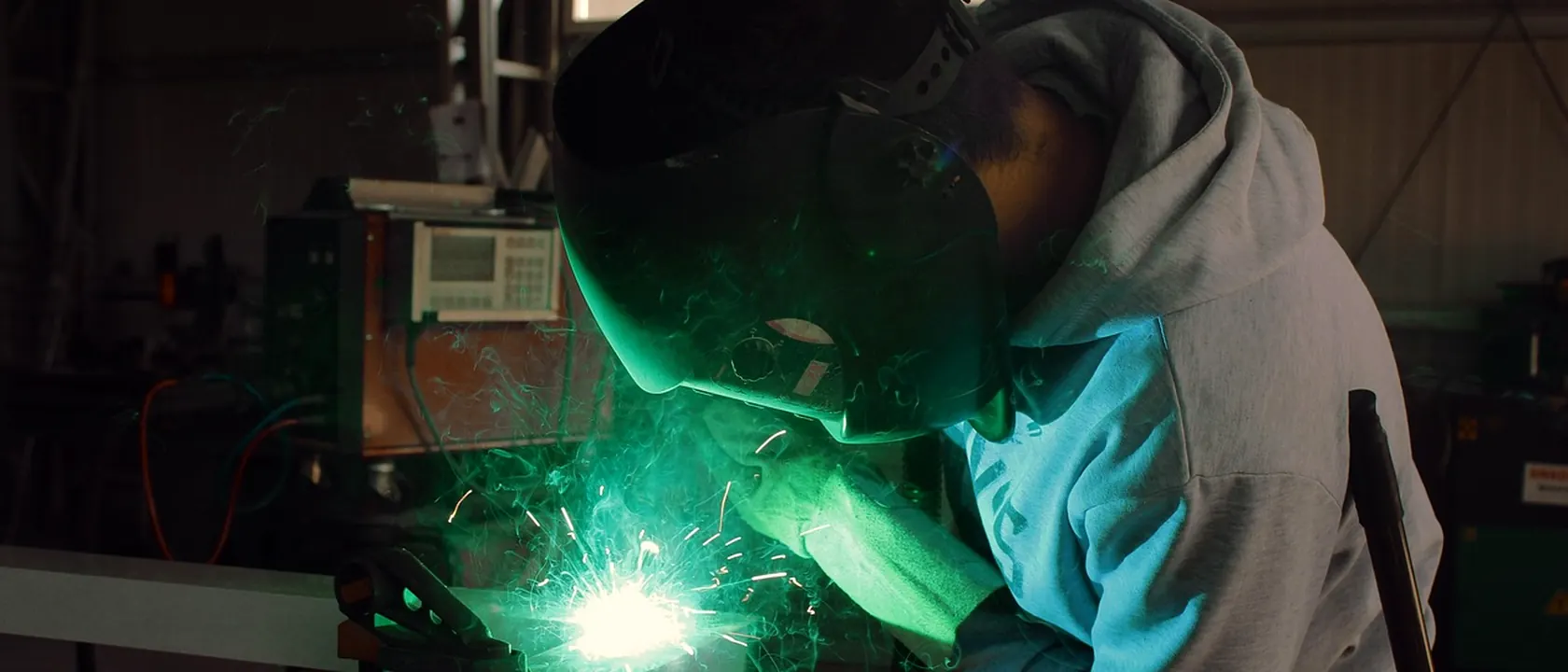
emirkrasnic · Pixabay Content License
Structural Iron and Steel Workers
Raise, place, and unite iron or steel girders, columns, and other structural members to form completed structures or structural frameworks. May erect metal storage tanks and…
What the job really is
Raise, place, and unite iron or steel girders, columns, and other structural members to form completed structures or structural frameworks. May erect metal storage tanks and assemble prefabricated metal buildings.
At a glance
- Sector: Construction & Extraction
- O*NET-SOC code:
47-2221 - O*NET job zone: 2 — some preparation
- Work sample tasks on file: 12
- Tools and technologies listed: 12
What you actually do
Work sample tasks recorded for this occupation:
- Read specifications or blueprints to determine the locations, quantities, or sizes of materials required.
- Connect columns, beams, and girders with bolts, following blueprints and instructions from supervisors.
- Bolt aligned structural steel members in position for permanent riveting, bolting, or welding into place.
- Fasten structural steel members to hoist cables, using chains, cables, or rope.
- Hoist steel beams, girders, or columns into place, using cranes or signaling hoisting equipment operators to lift and position structural steel members.
- Verify vertical and horizontal alignment of structural steel members, using plumb bobs, laser equipment, transits, or levels.
- Cut, bend, or weld steel pieces, using metal shears, torches, or welding equipment.
- Erect metal or precast concrete components for structures, such as buildings, bridges, dams, towers, storage tanks, fences, or highway guard rails.
- Force structural steel members into final positions, using turnbuckles, crowbars, jacks, or hand tools.
- Pull, push, or pry structural steel members into approximate positions for bolting into place.
- Unload and position prefabricated steel units for hoisting, as needed.
- Drive drift pins through rivet holes to align rivet holes in structural steel members with corresponding holes in previously placed members.
Tools and technology
Microsoft Outlook, Adjustable widemouth pliers, Adjustable wrenches, Air compressors, Blow torches, Bolt cutters, Bull pins, C clamps, Center punches, Chalk lines, Cold chisels, Combination squares
What employers expect you to already be comfortable with.
Where this job leads
Related occupations — the usual moves up and sideways:
- Reinforcing Iron and Rebar Workers
- Structural Metal Fabricators and Fitters
- Sheet Metal Workers
- Carpenters
- Millwrights
- Aircraft Structure, Surfaces, Rigging, and Systems Assemblers
- Drywall and Ceiling Tile Installers
- Layout Workers, Metal and Plastic
Getting in
O*NET assigns this occupation job zone 2 (some preparation). The related occupations above are the realistic routes in and out.
Find openings
Browse the verified job sources directory, or explore more occupations.
Check this against the source
O*NET OnLine: Structural Iron and Steel Workers — the authoritative public-domain profile this page is derived from, including the full task list, reported skills and the wage estimates for your region.
Derived and rewritten from the public-domain O*NET database (U.S. Department of Labor / Employment and Training Administration). Figures are observations, not promises — always confirm salary, licensing and visa requirements with the employer and the relevant authority.
Tagged with
More Occupations
View all
Accountants and Auditors
Examine, analyze, and interpret accounting records to prepare financial statements, give advice, or audit and evaluate statements prepared by others. Install or advise on…

Actors
Play parts in stage, television, radio, video, or film productions, or other settings for entertainment, information, or instruction. Interpret serious or comic role by…

Actuaries
Analyze statistical data, such as mortality, accident, sickness, disability, and retirement rates and construct probability tables to forecast risk and liability for payment…