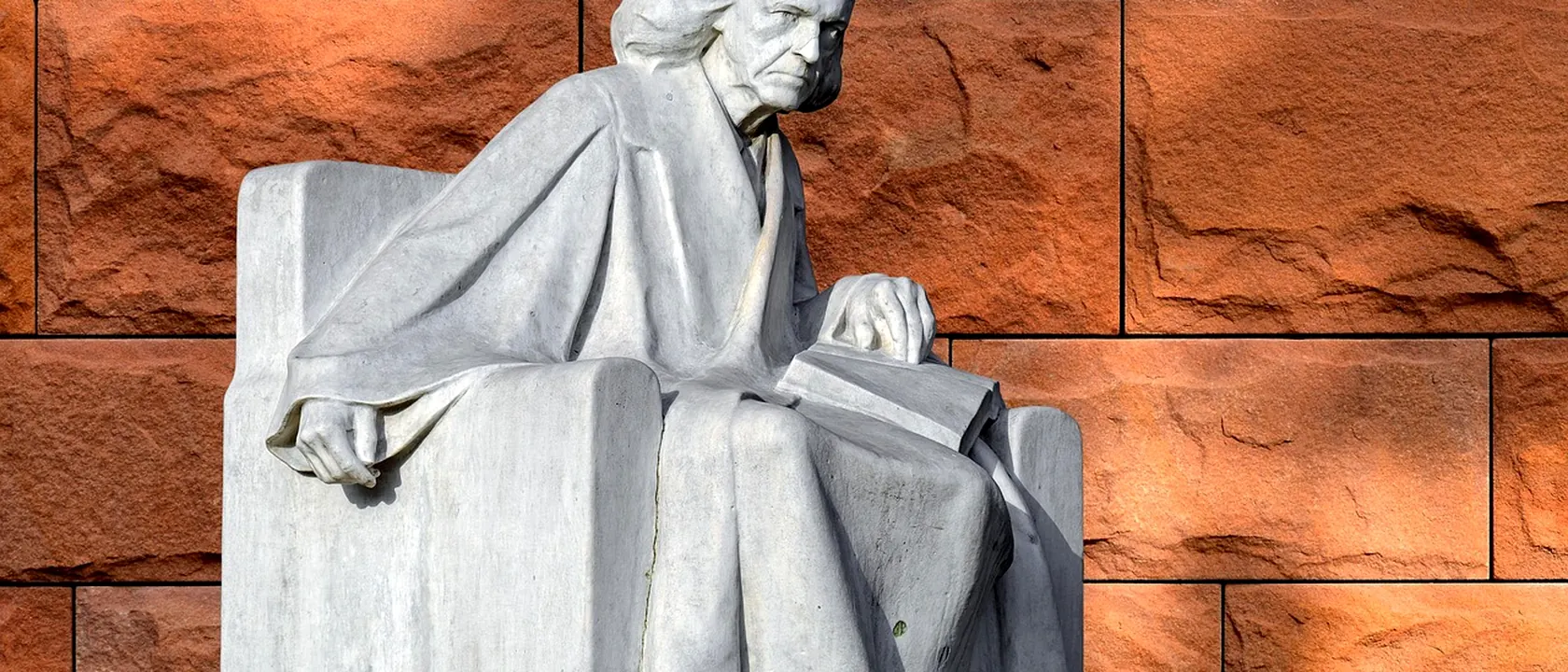
Couleur · Pixabay Content License
Historians
Research, analyze, record, and interpret the past as recorded in sources, such as government and institutional records, newspapers and other periodicals, photographs…
What the job really is
Research, analyze, record, and interpret the past as recorded in sources, such as government and institutional records, newspapers and other periodicals, photographs, interviews, films, electronic media, and unpublished manuscripts, such as personal diaries and letters.
At a glance
- Sector: Life, Physical & Social Science
- O*NET-SOC code:
19-3093 - O*NET job zone: 5 — extensive preparation
- Work sample tasks on file: 12
- Tools and technologies listed: 12
What you actually do
Work sample tasks recorded for this occupation:
- Conserve and preserve manuscripts, records, and other artifacts.
- Gather historical data from sources such as archives, court records, diaries, news files, and photographs, as well as from books, pamphlets, and periodicals.
- Organize data, and analyze and interpret its authenticity and relative significance.
- Prepare publications and exhibits, or review those prepared by others, to ensure their historical accuracy.
- Organize information for publication and for other means of dissemination, such as via storage media or the Internet.
- Conduct historical research as a basis for the identification, conservation, and reconstruction of historic places and materials.
- Present historical accounts in terms of individuals or social, ethnic, political, economic, or geographic groupings.
- Research the history of a particular country or region, or of a specific time period.
- Conduct historical research, and publish or present findings and theories.
- Determine which topics to research, or pursue research topics specified by clients or employers.
- Recommend actions related to historical art, such as which items to add to a collection or which items to display in an exhibit.
- Research and prepare manuscripts in support of public programming and the development of exhibits at historic sites, museums, libraries, and archives.
Tools and technology
Adobe Acrobat, Adobe InDesign, Adobe Photoshop, ESRI ArcGIS software, Extensible markup language XML, IBM SPSS Statistics, Microsoft Access, Microsoft Active Server Pages ASP, Microsoft Excel, Microsoft Office software, Microsoft PowerPoint, Microsoft SharePoint
What employers expect you to already be comfortable with.
Where this job leads
Related occupations — the usual moves up and sideways:
- Anthropologists and Archeologists
- Archivists
- Curators
- History Teachers, Postsecondary
- Geographers
- Sociologists
- Anthropology and Archeology Teachers, Postsecondary
- News Analysts, Reporters, and Journalists
Getting in
O*NET assigns this occupation job zone 5 (extensive preparation). The related occupations above are the realistic routes in and out.
Find openings
Browse the verified job sources directory, or explore more occupations.
Check this against the source
O*NET OnLine: Historians — the authoritative public-domain profile this page is derived from, including the full task list, reported skills and the wage estimates for your region.
Derived and rewritten from the public-domain O*NET database (U.S. Department of Labor / Employment and Training Administration). Figures are observations, not promises — always confirm salary, licensing and visa requirements with the employer and the relevant authority.
Tagged with
More Occupations
View all
Accountants and Auditors
Examine, analyze, and interpret accounting records to prepare financial statements, give advice, or audit and evaluate statements prepared by others. Install or advise on…

Actors
Play parts in stage, television, radio, video, or film productions, or other settings for entertainment, information, or instruction. Interpret serious or comic role by…

Actuaries
Analyze statistical data, such as mortality, accident, sickness, disability, and retirement rates and construct probability tables to forecast risk and liability for payment…